Quick Ways to Dry Clothes in a Hostel Room Without Sunlight or a Balcony
May 18, 2026
How to Prevent Mildew and Mould on Clothes During Monsoon in Mumbai
August 3, 2026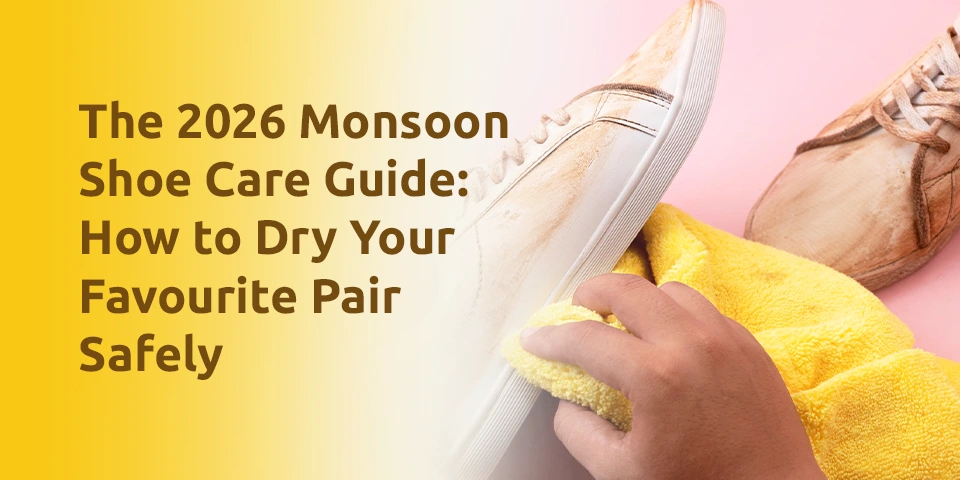
You step off the curb, misjudge a Mumbai puddle, and feel that sudden, heavy squish—a distinct dread every commuter knows too well. Instantly, your day turns into an outright battle against stubborn shoe moisture and persistent odour.
Getting your footwear waterlogged doesn’t mean you have to resort to risky, material-ruining hacks to get them ready. A blend of smart home techniques and knowing when to call the best laundry in Vile Parle will keep your favourite pairs fresh and structurally sound all through the wet season.
Why the Monsoon is Absolute Chaos for Your Footwear
Before diving into solutions, it helps to understand why rainwater is so destructive. High humidity combined with trapped street water creates a breeding ground for bacteria, causing that signature damp shoe odour that monsoon seasons are famous for.
- The 24-Hour Rule: If a shoe stays damp for over 24 hours, mildew sets in.
- Material Degradation: Water softens the industrial glue holding soles together, causing peeling.
- The Structural Threat: Leather gets stiff and cracks if dried too quickly, while breathable footwear with mesh uppers traps fine mud particles inside the weave, permanently discolouring them.
Don’t want to risk damaging your favourite pairs? Let our experts restore them
The Master List: 8 Approved Ways to Dry Shoes Fast & Safe
If you want to dry your wet shoes quickly without destroying their shape, skip the extreme heat. Instead, you can rely on these tested home methods.
1. The Pro Newspaper Method
Pull out the insoles and let your shoes open up. Stuffing shoes with newspaper is one of the safest ways to dry footwear indoors; the paper acts like a moisture magnet, pulling dampness right out of the interior fabric. Just remember to swap it out once it gets soggy so moisture doesn’t trap inside, and steer clear of glossy, ink-heavy pages to protect lighter materials.
2. The Smart Airflow Setup
Can I use a hair dryer to dry shoes? Only if it has a completely cold setting. Heat melts shoe glue and warps synthetic mesh. For a safer approach, place your stuffed shoes directly in front of a table fan or a room dehumidifier. The constant moving air pulls moisture out naturally without stressing the fabrics.
3. The Fridge Vent Trick
A favourite hack circulating on modern home-care forums involves utilising the warm air generated by your refrigerator. The vents at the back or bottom of a fridge gently blow warm, dry air as the appliance runs. Placing your damp shoes near this continuous, mild airflow accelerates drying safely without exposing them to damaging, direct heat.
4. Uncooked Rice Chambers
For premium knit or canvas shoes, submerge them in a bucket of uncooked white rice. Why? Well, rice acts as a natural desiccant, drawing out deep-seated moisture from the foam midsoles without altering the shoe’s shape.
5. The Toilet Paper/Paper Towel Wrap
If you own white sneakers, newspaper ink will ruin them. Instead, wrap the entire exterior of the wet shoe tightly in white paper towels. As the shoe dries, the mud and yellow water stains will bleed upward into the paper rather than drying into the fabric of your shoe.
6. The Vacuum Extraction Method
Before setting shoes out to air dry, use the hose attachment of your vacuum cleaner. Place it right inside the shoe to physically suck out pools of trapped water from the toe box and foam layers. This shaves hours off the total drying time
7. Silica Gel Packet Packs
Don’t throw away the silica gel packets that come with electronics or clothes. Shove three or four of these into your shoes after a wet commute. They excel at absorbing residual shoe moisture in tight spaces, preventing the deep-seated dampness that causes mould.
8. The Microfiber Towel Roll
If your shoes are completely soaked, tightly roll up a small microfibre towel and push it deep into the toe box. Microfibre absorbs up to seven times its weight in water, pulling the bulk of the moisture out of the interior lining much faster than standard cotton fabric.
Tailoring the Method to Your Material
Different materials require completely different care protocols. A mistake on canvas is an annoyance, while a mistake on premium hide can ruin an expensive investment.
1. How to Dry Leather Shoes Without Damage
Leather is incredibly sensitive to water, which washes out natural oils and leaves the hide brittle. Skip the heaters and hair dryers entirely. Instead, wipe off external mud with a soft cloth, insert tightly packed paper to maintain the shoes’ shape, and let them air dry in a well-ventilated room. Once dry, make sure to apply a high-quality conditioner to restore flexibility.
2. Dealing with Sports Shoes
Performance running shoes hold an immense amount of water in their foam midsoles. Use the newspaper method to pull out the bulk of the water, and use a soft toothbrush to gently clear mud out of the mesh while it’s still damp so the dirt doesn’t set permanently.
Eradicating the Dreaded Monsoon Smell
Drying your footwear is only half the battle. If you don’t address the bacteria causing the odour, that damp smell will return the moment your feet warm up the shoe.
But how do you do that?
Look no further than your kitchen pantry. Baking soda is a natural deodoriser and moisture absorber. Once your shoes are mostly dry, sprinkle a tablespoon of baking soda directly onto the footbed. Let it sit overnight to neutralise acidic odour compounds, then shake or vacuum it out the next morning.
Knowing When to Call the Experts
While home remedies work wonders for everyday dampness, sometimes your footwear is covered in grime, sewage residue, and stubborn stains.
Washing machines can crack soles and tear delicate stitching, meaning a heavy-duty mess requires a professional touch. Opting for specialised shoe dry cleaning Mumbai services ensures your premium pairs are treated with material-safe solvents, deep-extraction vacuums, and controlled drying chambers.
At Fabricare, we understand that your shoes are a major investment. Our premium care processes deep clean your footwear inside and out, thoroughly eliminating bacteria and stubborn odours while protecting the glue, stitching, and texture of your favourite pairs.
Not sure if your water-damaged leather or premium suede can be saved?
Frequently Asked Questions
1. How do I stop my shoes from smelling bad after the monsoon?
Remove insoles immediately, air-dry shoes completely using a fan, and sprinkle baking soda inside overnight to neutralise odour-causing bacteria trapped in the fabric.
2. Can I use a hair dryer to dry wet shoes?
Only on a strictly cold setting. High heat from a hair dryer melts structural glues, warps synthetic mesh, and causes leather to dry out, crack, and stiffen permanently.
3. How long does it take shoes to dry completely?
Depending on humidity levels, lightweight sneakers can dry in 12 to 24 hours using a fan and newspaper, while thick leather pairs can take up to 48 hours.
4. Is it safe to put shoes in the washing machine during the monsoon?
It is generally risky. The aggressive spinning can warp the shoe’s structure, weaken the adhesive holding the soles together, and damage delicate outer fabrics or mesh.